How to Choose a Face Moisturiser for Men: Gel, Lotion or Cream
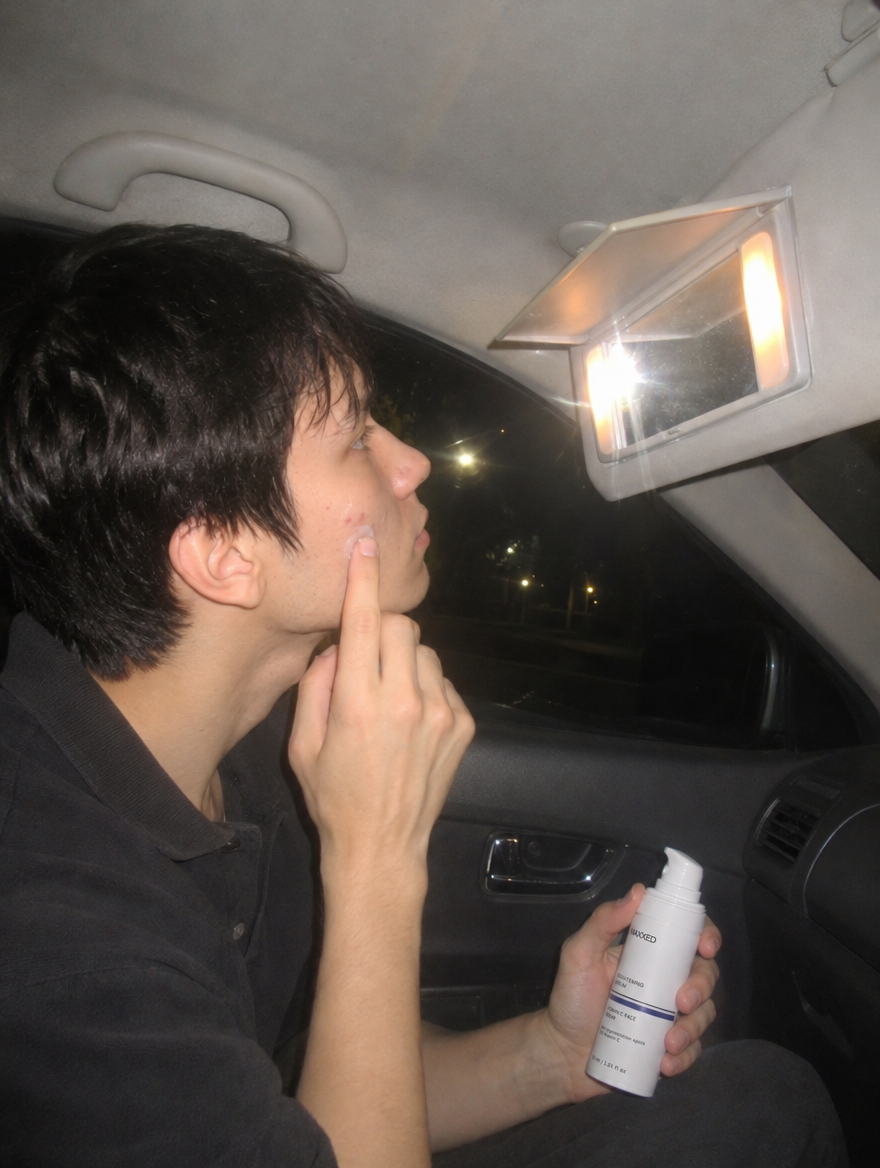
Short answer: choose your moisturiser by texture first. Oily or shiny skin usually does best with a light gel, combination skin with a light lotion, and dry or tight skin with a richer cream. Then check the ingredient list for the things that suit your skin and avoid the things that irritate it. A moisturiser should feel comfortable within minutes and shouldn’t leave a greasy film an hour later.
What a moisturiser actually does
A moisturiser does three jobs, and good formulas combine them in different proportions:
- Humectants pull water into the top layer of skin. Glycerin and hyaluronic acid are the common ones.
- Emollients smooth the skin surface and make it feel soft. Squalane and various plant oils are typical examples.
- Occlusives sit on top and slow water loss. Petrolatum and shea butter are heavier occlusives.
Gels lean on humectants and have little occlusive. Creams carry more emollients and occlusives. That’s the whole difference, and it’s why texture matters more than the brand name on the tub.
Gel, lotion or cream: how to choose
| Skin type | How it feels | Best texture | Look for | Be careful with |
|---|---|---|---|---|
| Oily | Shiny within a few hours, visible pores | Gel | Glycerin, hyaluronic acid, niacinamide | Thick balms and heavy butters |
| Combination | Shiny T-zone, normal or dry cheeks | Light lotion | Balanced humectant and emollient mix | Very rich creams on the forehead |
| Dry | Tight after washing, sometimes flaky | Cream | Ceramides, squalane, shea butter | Foaming cleansers that strip skin before you moisturise |
| Sensitive | Stings or reddens easily | Simple cream or lotion | Short ingredient list, fragrance-free | Added fragrance, essential oils, lots of actives |
Why your moisturiser might make your face look greasy
There are three usual causes, and none of them mean you should stop moisturising:
- The texture is too rich. A cream that suits dry skin will sit on oily skin. Switching to a gel often fixes it.
- You’re using too much. A coin-sized amount covers face and neck. More than that rarely absorbs.
- Your skin is dehydrated, not dry. Skin can be oily and still lack water. Skipping moisturiser doesn’t remove shine. A lighter hydrating formula usually helps more than none.
How to read the label without a chemistry degree
- Order matters. Ingredients are listed from highest to lowest concentration, so the first five tell you most of what the formula is built on.
- “Fragrance” or “parfum” is a common trigger for irritation. If your skin is reactive, choose fragrance-free.
- “Non-comedogenic” is not a regulated guarantee. Treat it as a hint, not a promise.
- Alcohol denat. high in the list can feel drying for some people, especially in winter.
- Active ingredients such as niacinamide are useful, but they’re a bonus. If the base feels wrong on your skin, the active won’t save it. Read more in our niacinamide guide.
Moisturiser with SPF, or separate sunscreen?
A moisturiser with SPF is convenient, but SPF only works at the amount used in testing. Few people apply enough moisturiser to match that, so you usually get less protection than the label implies. If you want reliable sun protection, use a dedicated sunscreen as the last morning step. Our SPF guide explains how much to use.
A simple way to test a moisturiser
- Patch test first. Apply a small amount along your jawline once a day for three days. If there’s no redness, itching or stinging, carry on.
- Apply to slightly damp skin after cleansing, so humectants have water to hold.
- Judge it for two weeks. Within minutes it should feel comfortable, and by midday it shouldn’t feel greasy or tight.
- Change one thing at a time. If you swap moisturiser and add a serum in the same week, you won’t know what changed your skin.
Swap for the season
Dutch winters bring cold wind outside and dry heated air indoors. A gel that’s perfect in July can feel thin in January. Many men use a gel in summer and a lotion or light cream in winter. If your skin feels tighter by the afternoon, move one texture up. If it feels heavy, move one down.
Moisturising after shaving
Freshly shaved skin is more sensitive. Rinse, pat dry and use a fragrance-free moisturiser straight after. Save new products for days you’re not shaving, so you don’t confuse a product reaction with razor irritation.
Common mistakes
- Buying by price or packaging instead of texture and ingredients.
- Using body lotion on your face. Facial skin is thinner and often needs a different formula.
- Applying moisturiser to bone-dry skin and wondering why it feels heavy.
- Changing products every week and never giving any of them time.
Common questions
Can oily skin skip moisturiser?
It can, but it usually shouldn’t. Oily skin can still be dehydrated, and a light gel often makes it feel and look more comfortable.
Do I need a separate night moisturiser?
Not necessarily. Many men use the same moisturiser morning and night. If your skin feels dry in the evening, a richer layer at night is an easy tweak.
How much should I spend?
Price tells you little. A simple, well-formulated moisturiser you’ll use every day beats an expensive one that sits in the cabinet.
Where MAXXED comes in
A daily moisturiser is one of the first products in MAXXED Skin, alongside a cleanser and one targeted product. Every product page will show what it does, how to use it, the full ingredient list and which skin types it suits. No vague copy, just what you need to choose properly.
- Tags: men's skincare, moisturiser, skin types